My name is Amelia Wysocki. I am a creative professional whose work spans photography, photo retouching, photo manipulation, graphic design, writing, SEO, and promotional content creation. I am also disabled.
I sometimes put that word in quotes because it has never fully described who I am. While I live with serious mental health conditions, I have also spent my life developing skills, talents, and perspectives that many people never have the opportunity to cultivate. Disability is part of my story, but it is not the whole story.
My mental health struggles did not begin recently. Looking back, things were always a little unstable, but they became significantly worse after my father died. His loss changed everything. My mother began drinking heavily, and life at home became increasingly difficult. My sister eventually moved in with friends, but I remained behind and absorbed much of the turmoil myself. Unable to afford moving out on my own, I found myself trapped in an environment that intensified my depression, anxiety, and isolation.
For decades, I was diagnosed and misdiagnosed with one condition after another. I spent years trying to understand why I struggled in ways that seemed invisible to everyone else. It was not until a few weeks ago, at the age of forty-three, that I finally received a diagnosis that truly explained what I was experiencing and a treatment plan that worked.
In addition to bipolar disorder and Complex PTSD, I am schizophrenic. Before treatment, I experienced visual and auditory hallucinations that made everyday life unpredictable and frightening. Last year, while working as an overnight deli clerk at a local grocery store, I threw away an entire Boar’s Head bologna because I saw an incoherent shape moving toward me that simply was not there. The experience was humiliating, but it was also terrifying. I realized that I could no longer trust my own senses.
Soon afterward, I quit my job and fell into an even deeper depression. As someone with decades of creative experience and a wide range of professional skills, I felt disconnected from the life I wanted to build. I watched opportunities pass by while struggling with challenges most people could not see.
Today, things are different. Every morning I take six pills, and while I am still mentally ill, my symptoms are under control. For the first time in many years, I feel human again.
What surprises many people is that I do not view my experiences solely as a burden. Living with mental illness has taught me that people are often dealing with circumstances they did not choose. We do not get to pick the cards we are dealt, but we can learn how to play them, and when opportunity presents itself, we can shuffle the deck. That understanding has made me more compassionate, more patient, and more aware of the hidden battles people fight every day. It has also influenced my creativity, shaping how I tell stories, solve problems, and connect with others through my work.
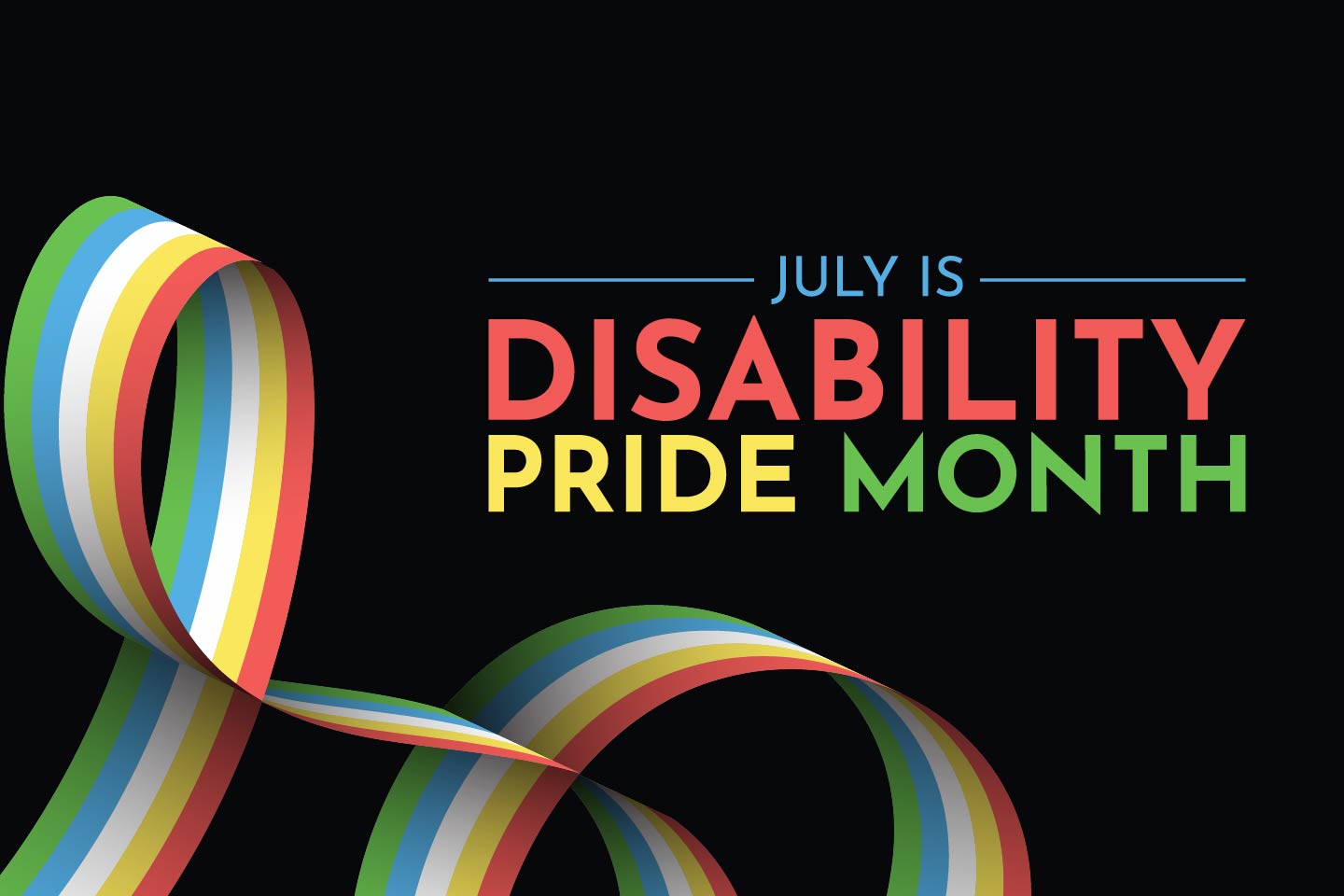
Disability pride, to me, is not about celebrating suffering. It is about recognizing resilience. It is about refusing to be defined solely by limitations. I am disabled, but I am also a creator, an artist, a survivor, and a person with something valuable to contribute. Those things can all be true at the same time.