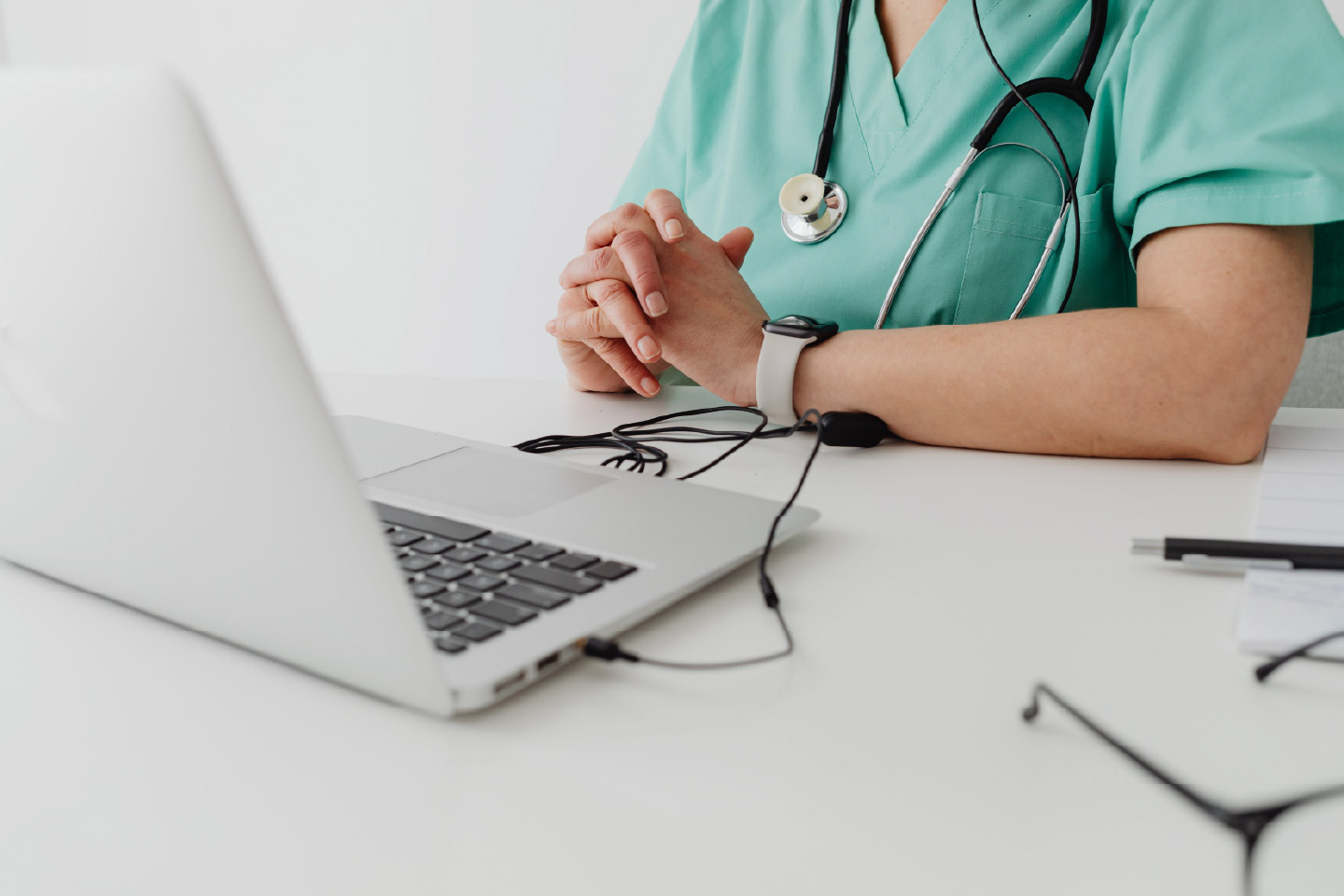

The grandfather sits at the kitchen table in Amherst to take his morning blood pressure reading. Rather than searching for a pen to jot down the numbers on a paper napkin, he simply sends them to his doctor via his digital cuff. Several miles away, the daughter checks her cell phone on her way to work and finds a short message stating that her father’s blood pressure levels are steady, and that his prescription is ready for pick-up.
This is how healthcare should be delivered. However, for most of us, this is far from reality.
Helping to care for family members generally requires spending half a lunch break waiting on hold, digging through piles of papers looking for lost appointment cards, and calling pharmacies repeatedly to get a prescription filled before the weekend. On top of using our smartphones to pay bills, order food, and manage everyone’s busy schedules, we continue to deal with outdated systems within the medical industry that seem frozen in 1998.
Clinics and wellness centers once believed that developing a “mobile presence” would simply involve creating a website that did not appear broken on an iphone. As long as the website included the practice name, address and business hours (and maybe some basic contact information), they felt confident that their job was done.
Today, consumers expect a lot more. Families throughout Western New York juggling careers, children and eldercare responsibilities do not want to browse a static website in order to stay healthy. They want to remain connected to the individuals providing their care.
Why a website is no longer sufficient
Health does not operate on a standard calendar. Patients do not merely require medical services during the course of two 15 minute office visits per year; they need access to quality care at unpredictable times such as when their parent experiences dizziness or when they have questions regarding a new prescription.
Many older adults fear that when they hear someone refer to an “app,” they will be passed along to an automated telephone system or computer-based chatbot. No one wants robots conducting medical procedures. However, a well-designed mobile health app functions in reverse: it eliminates the unnecessary paperwork associated with visiting the front desk so that patients can finally connect with their physicians.
In terms of daily experience, here is what that process might look like:
1. Rapid response times without endless hold music
If you need to quickly determine whether there is any additional information available concerning how to properly administer a specific medication or if your laboratory test results are in, you should not have to spend 20 minutes waiting for a live representative to assist you. Secure in-app messaging allows you to type a note directly to your clinic and receive a timely response from a licensed nurse or physician who has reviewed your patient file. You inquire – they respond – and you proceed with your day.
2. Identifying potential issues before they become major health crises
Historically managing chronic conditions such as high blood pressure or diabetes required patients to manually record readings in small notebooks in hopes that those recordings would make sense to both themselves and their providers during subsequent office visits approximately three months later. With remote monitoring, home equipment – such as a blood pressure monitor or glucometer — automatically transmits data to your physician’s desktop. If your blood pressure begins trending upward over several consecutive days, your care provider receives notification immediately and can modify your medication regimen telephonically prior to your arrival in the hospital. This provides significant comfort for many seniors living in areas surrounding Buffalo by eliminating the stress associated with driving in potentially hazardous winter conditions for
routine evaluations.
3. Actual support for family caregivers
You likely understand the mental fatigue experienced by caring for children while simultaneously supporting elderly relatives. Managing each individual’s medications, scheduling appointments and keeping track of test results creates an overwhelming environment for family caregivers. Accessible health apps provide an organized platform for viewing test results, scheduling appointments and processing prescriptions which can significantly reduce the chaotic nature of caregiving and allow busy families to regain control of their lives.
4. Simple Usage
There is no point in pursuing mobile technologies if the actual user interface is confusing. A successful health application should be free of technical barriers for all users; clean interfaces, legible font sizes and intuitive button options create the same ease-of-use experience as accessing Today’s weather forecasts.
Reviving personalized medicine
Practices throughout Western New York have recognized that adopting mobile technologies is not a passing fad but rather a genuine respect for patients’/families’ time and an opportunity to recapture the essence of personalized medicine.
By simplifying the ability of patients/families to communicate with healthcare professionals/providers, these practices are not only transforming their offices into contemporary environments but also providing individuals/patients with real emotional comfort.