
When we think about giving back to our communities, we often think about donating money, volunteering at large organizations or participating in charity events. And while those are all great ways to make a difference, giving back doesn’t always have to involve some grand gesture. Sometimes, the smallest acts of kindness can have the biggest impact.
Whether it’s checking in on a neighbor, helping someone carry their groceries or simply taking a few minutes out of your day to listen to someone, these small gestures can go a long way. And the best part? You don’t need a lot of time or money to make someone’s day a little better.
Think about a time when someone did something unexpectedly kind for you. Maybe a stranger complimented you on a day you weren’t feeling your best or a friend reached out to see how you were doing. Chances are, that small interaction stuck with you longer than you expected. Now imagine if we all made a conscious effort to do something kind for someone else every day. Those little moments could eventually add up to something much bigger.
This is what’s known as the ripple effect. One person’s kindness can inspire another person to do the same, creating a chain reaction that reaches people we may never even meet. And that’s really what giving forward is all about. It’s not necessarily about returning a favor, but rather taking the kindness you’ve received and passing it along to someone else.
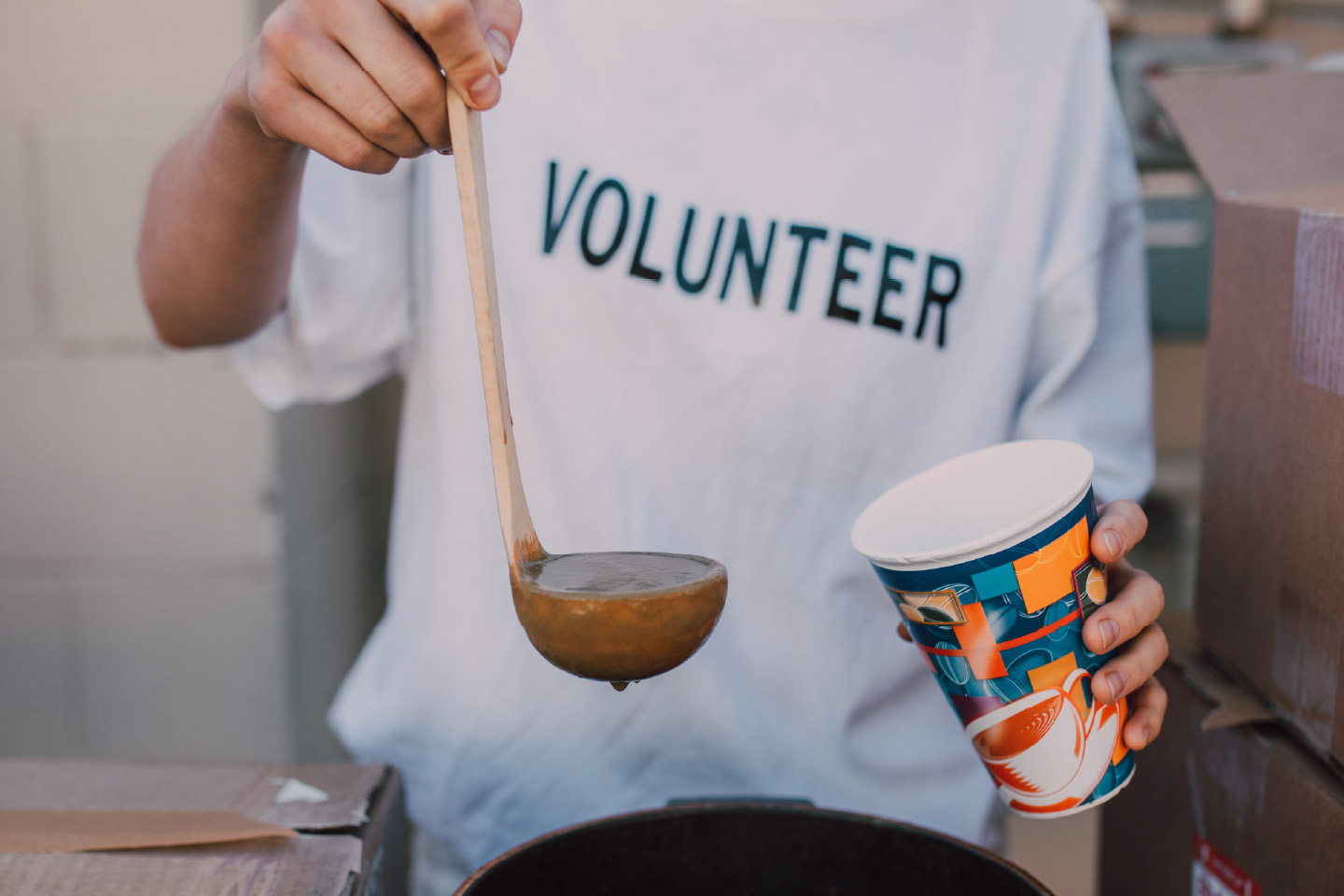
One common misconception about giving back is that you need money to make a meaningful contribution. But the truth is, your time and effort can be just as valuable. Volunteering at a local food pantry, helping a younger student with their homework or offering to run an errand for an elderly neighbor are all ways you can make a difference without spending a dime. And if you’re someone who already has a pretty busy schedule, giving back doesn’t have to take up hours of your day either. Even something as simple as checking in on a friend who’s been having a rough week can make them feel supported and less alone. The goal isn’t to see how much you can give, but rather to recognize where you can make a difference.
A strong community isn’t just defined by the number of resources or organizations it has. It’s also defined by the people who make up that community and how willing they are to show up for one another. When people feel supported, included and cared for, they’re more likely to develop a sense of belonging. And when that sense of belonging grows, so does the willingness to look out for others. Think about it. A community where neighbors know one another, people feel comfortable asking for help and individuals are willing to lend a hand is a community that’s better equipped to face challenges together. And these are the types of communities we should want to build for future generations.
At the end of the day, you don’t need to change the entire world to make a difference in it. Start with the people around you. Reach out to an old friend, volunteer when you can, support a local business or simply be a little more patient with someone who’s having a difficult day. You might not always see the impact of your actions and that’s okay. Sometimes
the smallest gestures are the ones people remember the most.