

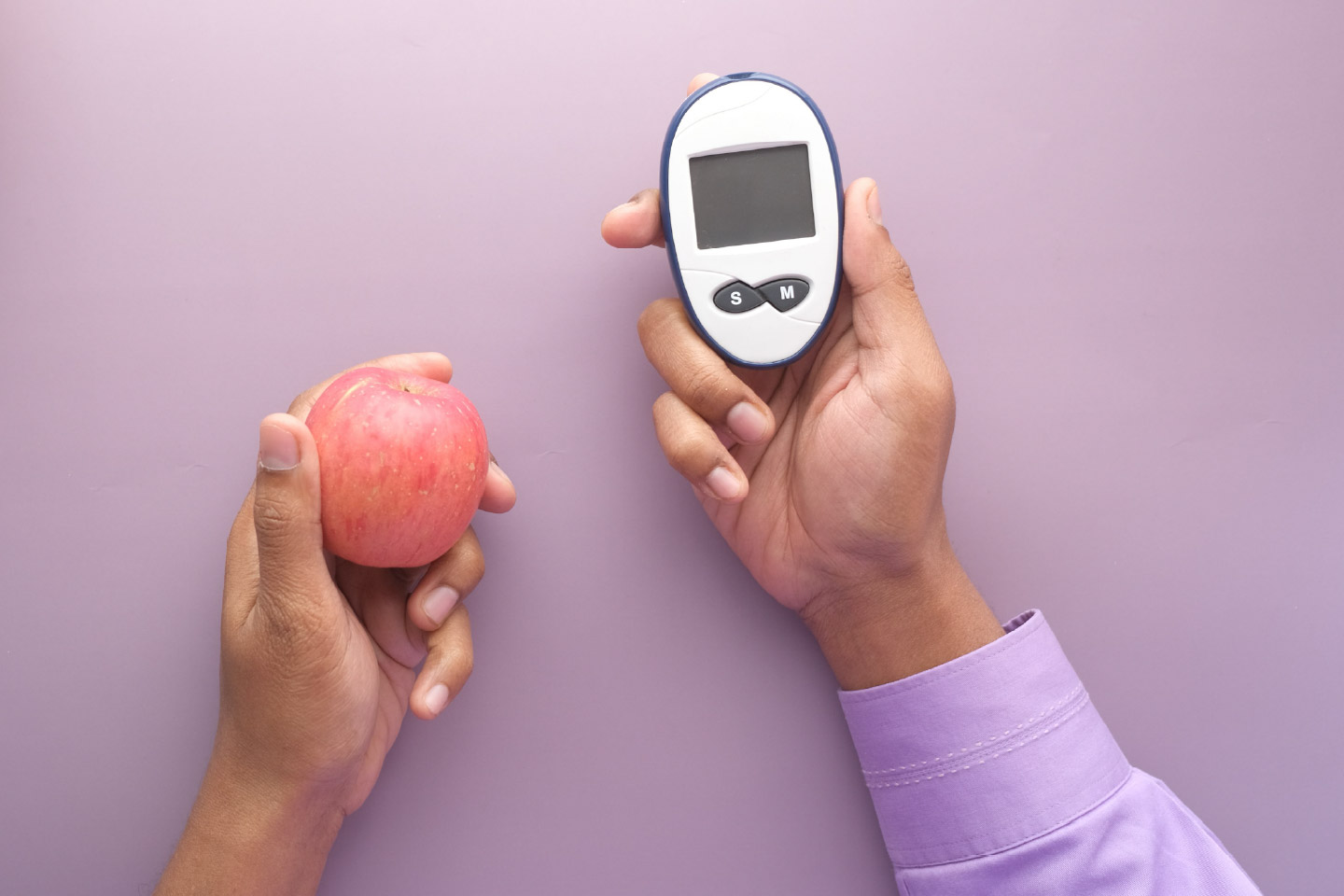
November is known as National Diabetes Awareness Month. This is a great time for raising awareness about what diabetes is, its preventive care and encouraging individuals to make good decisions about their health. Diabetes is a chronic condition that occurs when the sugar level is too high in your blood which is the primary source of energy. If diabetes is left untreated it can lead to serious complications in the body. However, appropriate treatment, early diagnosis, and healthy habits can improve quality of life.
There are two types of diabetes known as Type 1 and Type 2. An autoimmune condition is considered as Type 1 diabetes in which insulin-producing pancreas cells are destroyed by the immune system. Frequently developed symptoms are excessive urination, frequent thirst, unexplained weight loss, fatigue, blurred vision and increased hunger. Insulin therapy is required regularly because insulin is considered as an essential element for converting glucose into cellular energy. People with Type 1 diabetes require proper monitoring of blood sugar regularly, appropriate physical activities and have balanced meals to manage their conditions. It can occur at any age.
The condition in which the body does not maintain the normal blood sugar level or become resistant to insulin is known as Type 2 diabetes. It is intensely interconnected with inactivity, weight, age and genetics. It can affect anybody, but with healthy lifestyle choices, type 2 diabetes can be prevented. Diabetes general symptoms involve slow-healing wounds, blurred vision, frequent urination, excessive thirst, fatigue and weight loss. Regular checkups are very important for individuals that have these risk factors. Its management consists of having a proper balanced diet, limiting processed foods and sugary drinks, getting proper sleep and exercising daily.
Prevention starts with your daily routine preferences. A healthy diet plan consists of fruits, vegetables, legumes, whole grains, and foods that are fiber-rich helps in maintaining blood glucose levels. Elimination of highly processed goods, sugary drinks and intake of refined carbohydrates is also favorable. The body’s insulin is also maintained when adults aim for having regular physical activities in their daily life routine. Getting sufficient sleep, managing stress levels, and maintaining a healthy weight also furnish your metabolic health. The identification of prediabetes or diabetes early can be done through blood glucose testing that includes HbA1c testing, fasting glucose when recommended. When an individual has some sort of risk factor, they should get help from healthcare professionals.
Blood sugar can be Hypoglycemia (low sugar level) or Hyperglycemia (high sugar level). High blood sugar symptoms are blurred vision, frequent urination, thirst is increased, and weakness in the body. If individual blood sugar gets high, first check their glucose level if possible, encourage water intake and follow up on the individual’s prescription. Seek medical help if the condition gets serious or complicated. It is important to recognize low blood sugar instantly. Shaking, hunger, dizziness, confusion and sweating may be the symptoms of having low blood sugar level. If the individual is conscious, provide them with their glucose tablet or some fruit juice. After 15 minutes recheck their glucose level and if needed ask for medical help. If an individual gets unconscious, it’s better to call emergency services right away. Do not leave the individual alone.
Diabetes management is all about understanding your body, identifying the signs, staying in touch with healthcare doctors, and making healthy choices. Individuals with diabetes need support rather than judgements. Let’s spread awareness this November so it can be helpful in leading to action. Always remember early intervention can be fruitful for the individuals in ways that they will thank themselves later.
“Awareness is the first step in healing” - Dean Ornish